
Should I worry that AI can clone my face from one selfie?
The risk of AI cloning a face from a single selfie is real. Understand the capabilities of deepfake technology and how to protect against it.
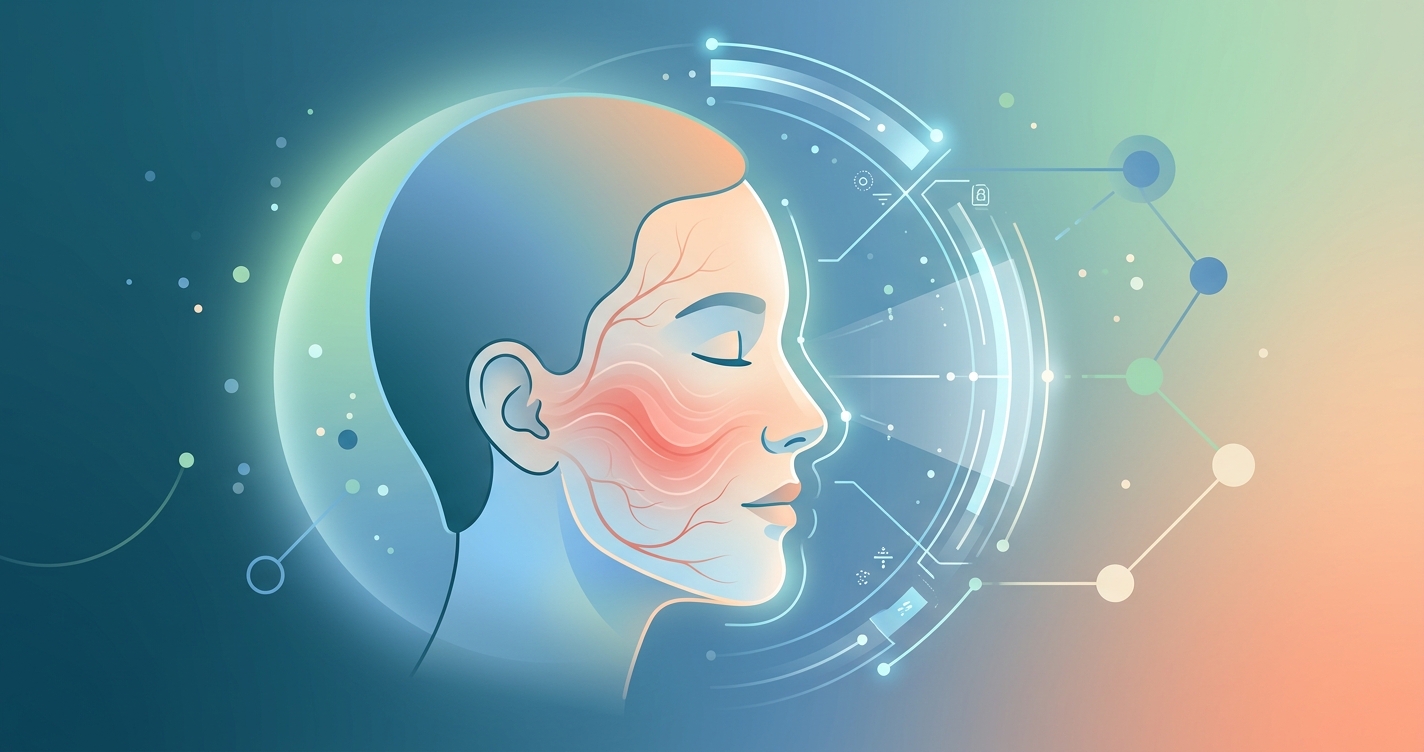
The rapid advancement of generative AI has introduced a new and unsettling question for anyone with a social media profile: is a single selfie enough for a bad actor to clone your face and impersonate you? The concern is not unfounded. The same technology that powers playful photo filters can also be used to create highly realistic "deepfakes" for malicious purposes. However, understanding the nuances of what an AI clone can and cannot do is key to assessing the real-world risk and identifying the most effective countermeasures.
"The use of deepfakes in identity verification fraud has skyrocketed, with some reports showing a 3,000% increase in attempts in a single year." - (based on data from multiple 2023 industry reports)
The deepfake dilemma: what's possible and what's hype?
The primary concern for most individuals is the potential for an AI clone face from selfie deepfake risk to enable an attacker to open a bank account, access financial services, or impersonate them in a video call. While it's true that a single, clear photo can provide enough data for an AI model to generate a 3D representation of a face, the ability of that model to fool a robust security system is another matter entirely.
Modern deepfake generation, often utilizing Generative Adversarial Networks (GANs), can indeed create convincing static images or even video-based renderings of a person's face. These models can be trained to replicate facial expressions and even mimic speech. However, they are fundamentally creating a digital puppet, not a living, breathing person. This distinction is critical when it comes to high-stakes identity verification.
A significant challenge for deepfake models is replicating the subtle, involuntary physiological cues that are unique to a living individual. This is where technologies like remote Photoplethysmography (rPPG) come into play, offering a powerful defense against these synthetic media attacks.
| Feature | Standard Deepfake Model | Living Person (via rPPG) |
|---|---|---|
| Facial Texture | Can be highly realistic, but may contain artifacts. | Natural skin texture with imperfections. |
| Micro-expressions | Difficult to replicate authentically; often appear unnatural. | Spontaneous and subtle, reflecting a real emotional state. |
| Blood Flow | Absent. A digital rendering has no physiological signals. | Present and measurable as subtle changes in skin color. |
| Head Movement | Can be faked, but may not be perfectly synchronized with speech. | Natural and synchronized with speech and other movements. |
| Eye Gaze | Often a weak point, with unnatural or inconsistent movement. | Natural, with saccades and blinks that are difficult to fake. |
Industry applications: where the threat is real
While the fear of a stolen selfie leading to personal financial ruin is a valid concern, the most immediate and widespread impact of the AI clone face from selfie deepfake risk is felt in the enterprise world. Financial institutions, KYC (Know Your Customer) providers, and identity verification vendors are on the front lines of this battle.
Financial Services
Banks and fintech companies are prime targets. Fraudsters use deepfakes to attempt to open new accounts, take over existing accounts, and authorize fraudulent transactions. The potential losses are substantial, and the reputational damage can be even more severe.
Cryptocurrency Exchanges
The semi-anonymous nature of cryptocurrency makes it a magnet for fraud. Deepfakes are used to bypass the identity verification steps that many exchanges have put in place to comply with regulations. A 2023 report noted that the cryptocurrency sector accounted for 88% of all deepfake cases detected.
Remote work and "ceo fraud"
The rise of remote work has led to an increase in "CEO fraud," where attackers use deepfakes to impersonate executives in video calls, directing employees to make unauthorized wire transfers or divulge sensitive information.
Current research and evidence
The academic and security communities are actively engaged in a technological arms race against deepfake creators. Researchers like Weijie Lyu at the Weizmann Institute of Science have demonstrated the ability to create high-quality 3D head reconstructions from a single image (FaceLift). At the same time, a growing body of research is focused on detection methods.
One of the most promising areas of research is rPPG, which has been explored for its potential in health monitoring and is now being adapted for security applications. By analyzing the subtle color changes in the skin caused by the circulation of blood, rPPG can determine if the face in front of the camera is a live person or a digital construct. A 2021 study published in the proceedings of the International Conference on Acoustics, Speech, and Signal Processing (ICASSP) demonstrated the effectiveness of rPPG in liveness detection, even in the presence of challenging environmental conditions.
The core principle is simple: a photo, a video, or even a sophisticated 3D mask does not have a pulse. A real person does. By detecting this "liveness" signal, systems can effectively thwart a wide range of presentation attacks.
The future of deepfake detection
As deepfake technology continues to evolve, so too will the methods used to detect it. The future of deepfake detection will likely involve a multi-layered approach, combining rPPG with other techniques such as:
- Behavioral biometrics: Analyzing the unique ways in which individuals interact with their devices.
- AI-powered analysis: Using machine learning models to identify the tell-tale artifacts of AI generation.
- Watermarking: Embedding invisible watermarks in legitimate video feeds to distinguish them from faked content.
For now, the ability to detect a real-time physiological signal remains the gold standard in liveness detection. It is a fundamental and difficult-to-forge characteristic of being human.
Frequently asked questions
Q: Can a single selfie really be used to create a convincing deepfake?
A: Yes, the technology to create a 3D model of a face from a single image exists. However, creating a deepfake that can fool a robust liveness detection system is much more difficult.
Q: What is the biggest risk of AI face cloning for the average person?
A: While personal impersonation is a concern, the more immediate risk is the use of your image to create a synthetic identity for large-scale fraud. Your face could be used to create a fake social media profile, which is then used to scam other people.
Q: How can I protect myself from deepfake-related fraud?
A: Be cautious about the information you share online. Use strong, unique passwords for your financial accounts, and enable two-factor authentication whenever possible. Be wary of unsolicited video calls, even if they appear to be from someone you know.
Q: What is the difference between active and passive liveness detection?
A: Active liveness detection requires the user to perform an action, such as blinking or turning their head. Passive liveness detection, such as rPPG, works in the background without any user action, providing a more seamless and secure experience.
The threat of deepfake technology is real, but so are the solutions being developed to combat it. Circadify is at the forefront of this space, developing and deploying rPPG-based liveness detection to protect our partners and their users from the growing threat of synthetic identity fraud. To learn more about how our technology can secure your platform, visit our enterprise security demo at circadify.com/solutions/fraud-detection.