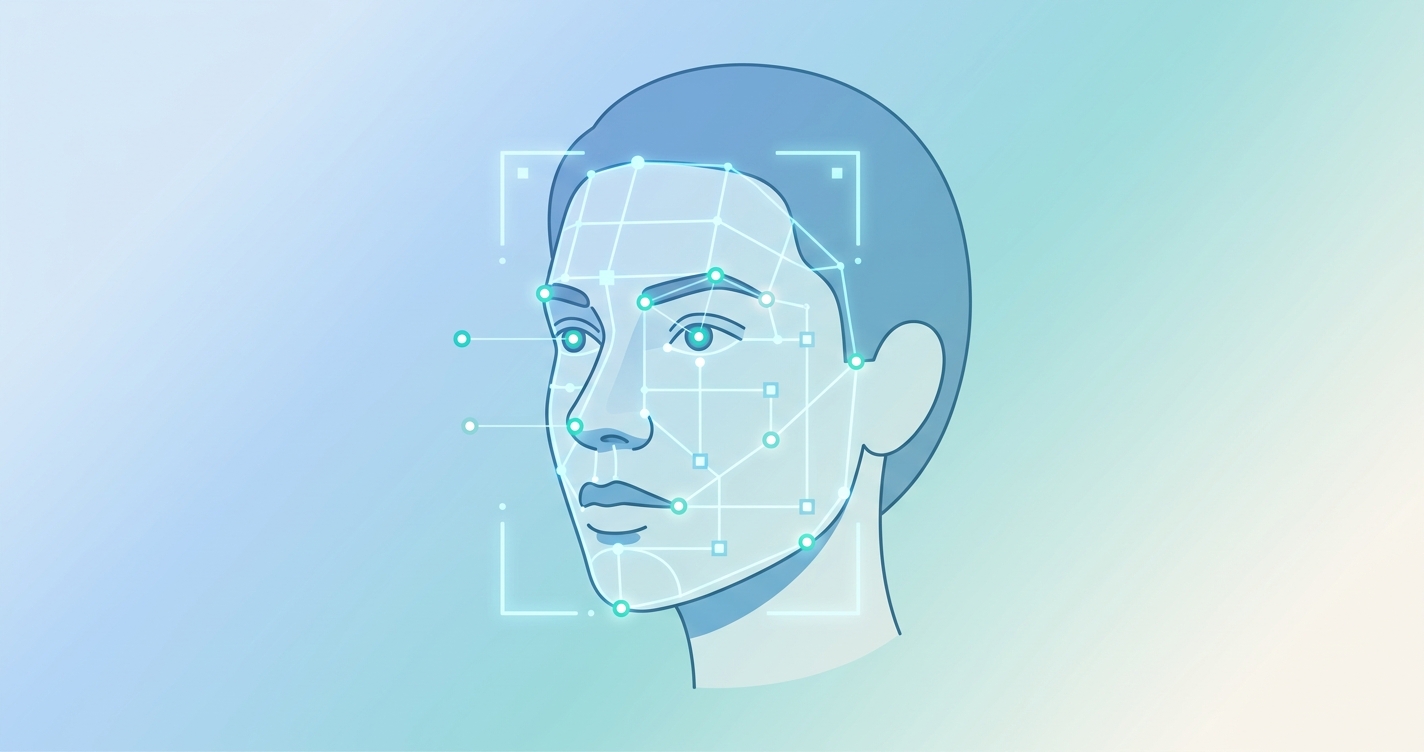

How can I be sure the person selling me tickets online is real, not AI?
How fraud teams confirm a real person online selling tickets, not an AI identity. rPPG liveness and blood-flow signals separate humans from synthetic sellers.
Insights on health technology, vitals monitoring, and wellness from the TryFaceScan team.

How fraud teams confirm a real person online selling tickets, not an AI identity. rPPG liveness and blood-flow signals separate humans from synthetic sellers.

A voice and face deepfake scam built from archived videos can drain accounts and exploit family trust. How banks and fraud teams can respond.


How video liveness detection and rPPG blood-flow analysis stop recorded video replay attacks from fooling online identity verification and KYC systems.

How publicly posted dating photos feed deepfake creation, what the research says, and why deepfake prevention on dating apps now depends on liveness signals.

Why your online bank verify face step happens live, not from a photo. How real-time facial liveness stops deepfake account opening fraud for banks.

The risk of AI cloning a face from a single selfie is real. Understand the capabilities of deepfake technology and how to protect against it.

Frustrated with proving you're human online? Learn how liveness checks use camera-based technology to detect physiological signs that separate people from bots.

Explore the rising threat of photo spoof face verification bypass attempts and learn how rPPG-based liveness detection provides a robust defense against them.

A $25 million deepfake scam highlights a new enterprise threat. Learn how blood-flow-based liveness verification can distinguish a live executive from a synthetic clone in real time.

The landscape of identity fraud is evolving. A robust liveness detection solution must defend against a range of presentation attack vectors, from simple prints to deepfake injection attacks.

Learn how criminals use synthetic identities and fabricated faces to open bank accounts, and why liveness detection that reads blood flow is the new security standard.

Suspect you're talking to a deepfake? Learn how catfish deepfake video chat detection uses physiological signals like blood flow to verify if the person on camera is real.

A sudden video call from a family member in distress could be a deepfake scam. Learn how physiological signals like blood flow can be used to detect deepfake video calls.

Explains why legitimate video selfies for identity verification fail, covering liveness detection, presentation attacks, and how rPPG blood flow analysis improves accuracy.

The mortgage industry faces a surge in identity fraud, driven by AI. Learn how lenders use liveness detection to verify applicants and secure remote transactions.

Single layers of security are no longer sufficient. Learn how to construct a multi-layer fraud prevention stack using rPPG for physiological liveness detection.

Multi-accounting fraud costs the online gambling industry billions. Learn how rPPG liveness detection offers a novel solution by binding each player to a unique physiological signature.

Learn how rPPG technology provides a robust defense against sophisticated presentation attacks like 3D masks, deepfakes, and replay attacks by detecting physiological signs of life.

A comparison of active and passive rPPG liveness detection, analyzing the trade-offs between user conversion rates and security effectiveness against spoofing attacks.

Neobanks face a rising threat from AI-driven identity fraud. Learn how advanced deepfake detection is essential for securing remote account opening processes.

By 2026, deepfake detection that relies on single-frame analysis will be obsolete. Learn why temporal, multi-frame analysis is the future of synthetic media detection.

A research-style guide to benchmarking liveness detection against iBeta PAD standards, explaining Level 1 and Level 2 compliance for identity verification vendors.

Explore how photoplethysmography (PPG) liveness detection analyzes blood flow to differentiate between real users and synthetic faces, offering a robust defense against deepfake-based identity fraud.

A research-based analysis of the tools and approaches media organizations use for deepfake detection, examining the challenges and future of synthetic media verification.

Call centers are adopting advanced liveness detection for caller identity verification to combat rising AI-driven voice fraud and deepfake attacks.

Learn how election security programs are adopting biometric liveness detection to combat voter fraud, prevent impersonation, and secure remote voting against modern threats like deepfakes.

A research-style analysis of injection attack methods in video KYC, their impact on identity verification, and emerging detection technologies for banks and fintech.

As synthetic identity fraud losses mount, identity verification vendors and fintechs are building the business case for rPPG-based liveness detection and fraud prevention.

A research-style analysis of how enterprise security programs deploy passive liveness detection to combat sophisticated fraud like deepfakes and injection attacks.

DeFi platforms are a major target for fraud. Discover how crypto DeFi verify users liveness to prevent deepfakes, account takeovers, and ensure KYC compliance.

A deep dive into the methods, challenges, and future of detecting AI-generated faces in real-time for identity verification and fraud prevention.

Learn how rPPG technology is revolutionizing physical access control systems by providing advanced anti-spoofing capabilities against presentation attacks.

By 2026, the deepfake detection market is projected to reach over $1.5B, driven by AI-as-a-Service models. This report analyzes the deepfakes vs detection arms race.

A review of how government agencies are using biometric liveness detection to secure digital ID programs, prevent fraud, and comply with new standards.

How insurance companies use liveness to prevent application fraud, from synthetic identity checks to deepfake-resistant onboarding in digital underwriting.

Presentation attack detection rPPG gives banks, KYC teams, and identity platforms a physiological way to separate live users from masks, replays, and synthetic video.

How rPPG liveness detection works on video calls, including blood-flow analysis, presentation attack defense, and the research shaping remote identity checks.

A research-backed analysis of why artifact-based and pixel-level deepfake detection methods are losing ground to generative AI, and why physiological signal analysis through rPPG represents a structurally more resilient detection paradigm.

A research-grade examination of synthetic media detection methods, explaining how remote photoplethysmography (rPPG) provides a physiological detection layer that identifies AI-generated face media regardless of the generation technique used.

A research-grade analysis of how remote photoplethysmography (rPPG) detects deepfakes by measuring sub-dermal blood flow signals that synthetic media cannot replicate.

A detailed comparison of liveness detection methods for identity verification, explaining why blood flow analysis through rPPG provides stronger anti-spoofing guarantees than traditional challenge-response approaches like blink tests.

A detailed examination of how KYC providers integrate rPPG-based liveness detection into identity verification pipelines, addressing deepfake attacks, presentation fraud, and regulatory requirements for physiological anti-spoofing.

An examination of how financial institutions are deploying remote photoplethysmography (rPPG) to detect synthetic identities and deepfake-driven fraud during digital account opening.