How Election Security Programs Use Biometric Liveness Technology
Learn how election security programs are adopting biometric liveness detection to combat voter fraud, prevent impersonation, and secure remote voting against modern threats like deepfakes.
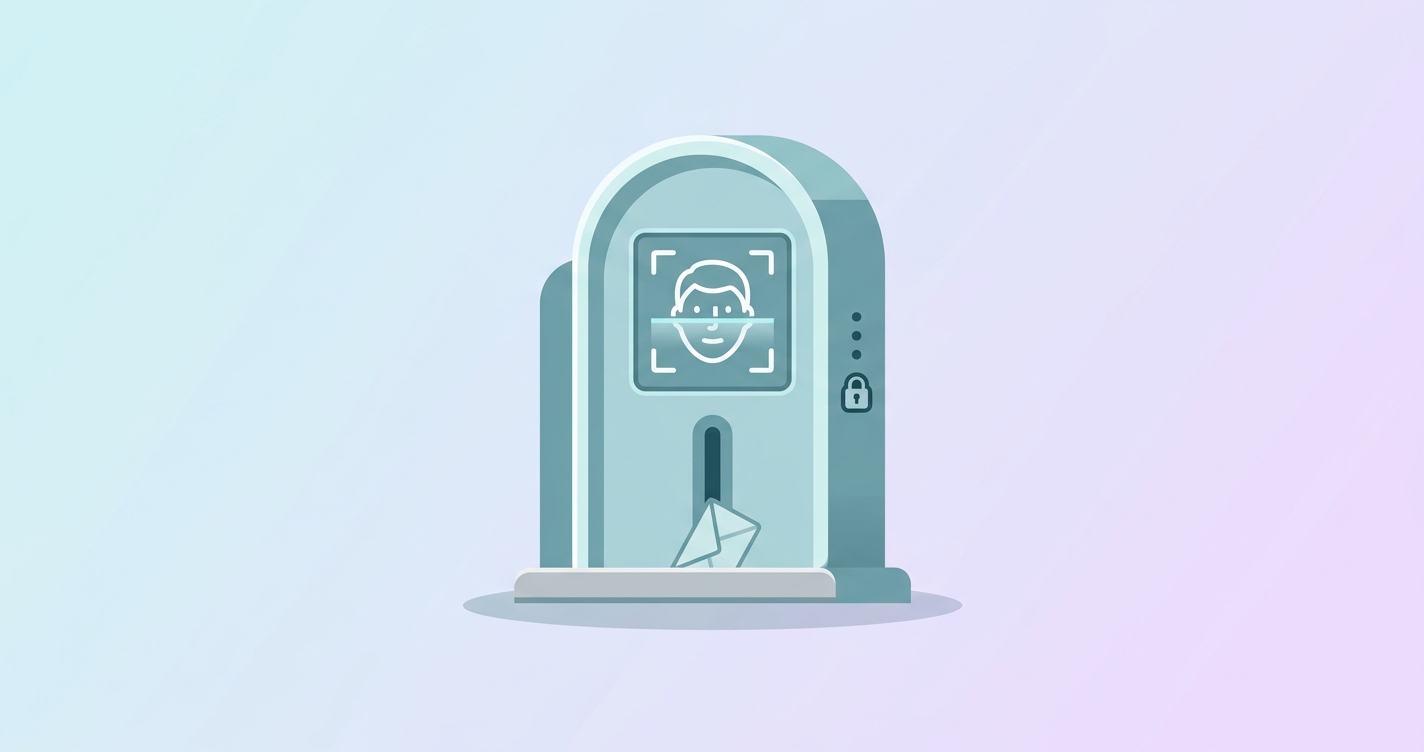
The global adoption of biometric technology in electoral processes marks a significant shift in the pursuit of secure, transparent, and fair elections. More than 50 countries have integrated biometrics like fingerprint and facial recognition to create reliable voter registries and prevent fraud. However, the mere presence of a biometric system is no longer sufficient. As adversaries develop sophisticated methods to bypass identity checks, from high-resolution photos to realistic masks and now AI-generated deepfakes, the focus is shifting toward a critical enabling technology: biometric liveness detection. Proving that the person presenting the biometric is a real, live individual-and not a spoof or synthetic artifact-is the new frontier for ensuring electoral integrity. The core challenge for election security biometric liveness is no longer just matching a face to a database, but verifying the genuine presence of the voter in real-time.
"Biometric technologies are used to create a reliable list of voters by eliminating multiple registrations. On election day, they are used to authenticate the voter. The objective is to ensure that the principle of 'one person, one vote' is respected." - International IDEA, 2017
The core of trust: election security biometric liveness
At its heart, an election security biometric liveness check is a series of technological tests to determine if a biometric sample is being presented by a living person at the point of capture. This is a crucial step beyond simple biometric matching, which only confirms that a submitted face or fingerprint matches a stored record. Without liveness detection, these systems are vulnerable to presentation attacks (PAs), where an imposter uses a non-live artifact to fool the system.
In the context of elections, this could mean an individual attempting to vote multiple times using photos of registered voters, or more advanced adversaries using masks or even deepfake videos to compromise remote voting systems. The goal of liveness technology is to mitigate these risks by analyzing physiological signals that are difficult or impossible to fake. For facial recognition systems, this can include analyzing subtle movements, textures, and even biological indicators like blood flow beneath the skin. Integrating robust liveness detection is fundamental to building a trustworthy election security framework that can withstand modern threats.
Comparing voter verification methods
| Verification Method | How It Works | Security Level | Voter Experience | Vulnerabilities |
|---|---|---|---|---|
| Knowledge-Based | Voter provides personal information (name, DOB, address). | Low | Fast, but prone to error and exclusion if data is inconsistent. | Publicly available information, social engineering. |
| Biometric Matching | Facial or fingerprint scan is matched against a database record. | Medium | Generally fast, requires specific hardware. | Presentation attacks (photos, masks, fake fingerprints). |
| Active Liveness | System prompts the voter to perform an action (e.g., blink, turn head). | Medium-High | Can be slow, confusing for some users, and introduces friction. | Actions can be recorded and replayed; may be spoofed by sophisticated masks. |
| Passive Liveness | System analyzes the user's face for signs of life without user action. | High | Seamless and fast for the voter. Analysis is done in the background. | Highly resistant to presentation attacks, including deepfakes when analyzing for biological signals. |
Use cases in the election cycle
Biometric liveness technology can be integrated at multiple points in the electoral process to enhance security and build trust.
Voter Registration
During the initial registration phase, the primary goal is to create a clean and de-duplicated voter roll. Using facial recognition with passive liveness detection ensures that each person registers only once and prevents the enrollment of fraudulent or synthetic identities. By verifying genuine presence, election management bodies can build a foundational database of trusted identities, which is the bedrock of a secure election. This process was detailed in a 2018 report by the International Foundation for Electoral Systems (IFES), which noted the importance of data integrity from the outset.
In-Person Voting
At the polling station, liveness detection serves as a powerful anti-impersonation tool. When a voter presents themselves, a quick facial scan can authenticate their identity against the registered database. The integrated liveness check confirms that the person at the booth is the same live individual who registered, preventing others from voting in their place. This process can significantly speed up check-ins and reduce the potential for human error or fraud, a concept explored by researchers at the Alan Turing Institute.
Remote and absentee voting
The expansion of remote and mail-in voting presents a significant security challenge. How can an election official be certain that the person casting the ballot is the registered voter and not a proxy or a coerced participant? Here, liveness detection becomes indispensable. By requiring a secure, self-administered liveness check via a smartphone or computer, election programs can add a strong layer of identity assurance to the remote voting process, making it far more difficult for adversaries to scale fraud using stolen credentials or deepfake technology.
Current research and evidence
The use of biometrics in elections is a subject of ongoing study. The International Institute for Democracy and Electoral Assistance (International IDEA) has published extensive reports on the topic, highlighting both the benefits and the complexities. Their 2017 paper, "Introducing Biometric Technology in Elections," provides a comprehensive overview of case studies from around the world. While acknowledging the power of biometrics to curb certain types of fraud, the report also emphasizes the need for careful planning, robust legal frameworks, and public trust.
Research from institutions like the National Institute of Standards and Technology (NIST) has been pivotal in establishing standards for liveness detection and presentation attack detection. NIST's evaluations provide independent benchmarks for the performance of different biometric algorithms, giving election officials critical data for procurement and implementation. The findings consistently show that systems incorporating advanced passive liveness detection offer superior resistance to spoofing attempts compared to those relying on active methods or no liveness checks at all.
The future of election security and liveness detection
The future of election security will be defined by the escalating arms race between authentication technologies and AI-driven fraud. As deepfake technology becomes more accessible and realistic, the threat of large-scale, automated impersonation in remote voting scenarios is no longer theoretical. Traditional liveness detection methods that look for blinks or head movements may be fooled by sophisticated video replays.
The next generation of election security biometric liveness technology will focus on detecting intrinsic, non-replicable biological signals. Technologies that analyze the subtle patterns of blood circulation in the human face, for instance, offer a powerful defense. A deepfake video has no underlying human physiology, no pulse, and no blood flow. By verifying this biological signal, verification systems can effectively determine that they are interacting with a real, live human being, not a digital puppet. This approach represents a shift, moving security from what a person does to who a person is.
Frequently asked questions
What is biometric liveness in the context of elections? It is a technology used during biometric voter verification to confirm that the person presenting their face, fingerprint, or other biometric is a real, live human being. It's designed to prevent fraud using photos, masks, or deepfakes.
How does liveness detection prevent voter fraud? By ensuring a voter is physically present when they register or vote, liveness detection stops impersonation and presentation attacks. This prevents individuals from voting using someone else's identity, registering multiple times with fake identities, or having remote ballots compromised by unauthorized users.
What are the main challenges of using biometrics in elections? The primary challenges include high implementation costs, the need for robust data protection and privacy laws, ensuring the technology is accessible to all eligible voters regardless of age or technical skill, and protecting the system against sophisticated cyberattacks. Building public trust is also essential.
To combat the rising threat of AI-driven identity fraud in critical sectors, Circadify is developing advanced solutions for enterprise security. Explore how we are addressing these challenges at circadify.com/solutions/fraud-detection.